Dear Harriet, Happy New Year one of my New Year resolutions is to change my children’s eating habit to keeping a healthy life style. Please help me. Mrs. Doris Shobo-Lagos
feeding habits are learned behaviours. They’re not intuitive, so what your children learn to eat at home early in life sticks with them well into adult hood.
It is not a good idea to count calorie or severely restrict food for children, like some parents do.
The good news is that most overweight kids do not need to diet and they may not even need to lose weight at all. As overweight children grow taller, aim to keep their weight about the same. That means they grow into their ideal weight as they get taller.
Your child might not be overweight or obese; it is important that they eat healthily and remain physically active. The tips here are relevant to all children, no matter their weight.
Try new healthy meal:
Ever find yourself making one meal for the adults in the house and another for the kids — or even one for each kid? Children take their time warming up to new things and if you keep giving them the old standbys they’re not going to branch out and explore new foods. Be patient. Make the same dinner for everyone in the family while making sure to put some foods on the plate that your children like — then add something new. If they don’t touch it, don’t worry about it, and definitely don’t make an argument out of it.
Try again the next week and again the following week. Eventually they’ll surprise you by at least tasting that new food.
Be flexible:
Note, anything in moderation is fine, Of course if a child is given a treat once in a while is really not a bad idea. Yes you have set diet for your child in order to maintain a healthy life style, allowing the child in moderation occasionally of what they like helps to knock off the feeling of deprivation.
While we always want to make the healthiest choices for our children’s bodies a special treat once a week or even once a month won’t do any damage. On the contrary, it will help make eating a more enjoyable experience and will help your child build a good relationship with food.
Sugar swaps:
Swap sugary drinks for water, milk or unsweetened fruit juice. Sugary drinks are not as good as water. Yes the can provide momentary satisfaction for our children when they are thirsty but in the long run the substances in them apart from the little water added are harmful to their health. As a result children should be encourage to drink plenty of water daily so that when they grow up it will be much easier to maintain, and the benefit of water most not be overlook: it helps to improve the function of the kidney and also prevent constipation in children.
Meal time:
Today many of us are disconnected from food sources in a way that is unprecedented in human history. The numbers of people who cook meals from the scratch are reducing by number because of our busy lifestyles. It’s faster to grab something from a fast-food restaurant on the way home after school/work, instead of cooking a well homemade meal with the entire necessary nutrient that they need to grow healthy.
Every day all children should aim to eat:
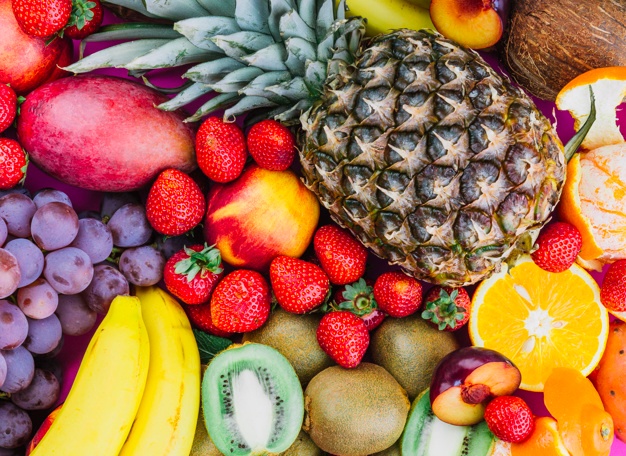
Five or more serving of variety of fruits and vegetables. It is wise to give more fruits and vegetable that is in season to our children since they are usually cheaper than others. Some people see them as very expensive don’t forget the cost of fruits and vegetables are incomparable to the positive health benefit derived from them.
Vegetable- a lot of food items fall into this category not only green vegetables, for instance
Green leafy vegetables
Okra
Cabbage
Garden egg
Cucumber
Tomatoes
Broccoli
Avocado pear.
To mention a few, the all contain minerals, vitamin, iron, calcium, and pro-vitamin, they are essential for healthy growth and development in children.
Children need meals that are base on starchy foods, as well remember they are still growing. For example; potatoes, pasta, rice, bread, breakfast cereal or other cereal.
Protein-rich foods – poultry, fish, eggs, beans, pulses and lentils should not be left out.
Lower- fat dairy products like milk, yoghurt, cheese (once children are over five)
Activity: 30/ 60 minutes activity a day. Children should be encourage to add activity into their daily life, it could be playing football, running, walking, any sport that they enjoy doing be it at home or in school. In schools where they have clubs once a week apart from the normal PE make sure they enroll for a sporting activity, it keep them stay healthy and busy.
Don’t use food as reward, bribes, or punishment:
It’s alright to take a child out for ice cream occasionally but not as an incentive for a good work, likewise don’t punish children for not eating certain foods- it will only foster a negative relationship between you and your children not to mention your children and food. Resist the temptation to give your children sweets and chocolate for rewards and comfort.
Make sure your child eats breakfast:
It’s the most important meal of the day, and it should ideally be the largest meal of the day to get your child off on the right foot. After ten to twelve hours with no food it’s important to refuel the engines. If they don’t eat in the morning they’ll be tired and unable to concentrate in school before lunch. It’s essential that children jump start their metabolism in the morning so their bodies don’t enter starvation mode, which might later cause them to experience difficulty maintaining a healthy body weight.
Some children need to practice small and working to a bigger meal if you’re having trouble getting your child to eat breakfast. For most children, breakfast should be around 500 calories and should be nutritionally balanced.
Starting kids off with sugar first thing in morning is not ideal. This gives a quick burst of energy and then leaves your child drained. Breakfast should always include a source of protein, some healthy fats, carbohydrates (whole grains are best), and vitamins and minerals.
Love and accept your child no matter what;
Love and accept your child at any weight, size, or shape. During childhood, growth is unpredictable at best. It comes in spurts and a once-skinny child can suddenly plump up while his height catches up with his weight. There’s a lot of pressure in our society to be thin, and you might be tempted to put your child on a diet during a growth spurt, but that
won’t be helpful and may even cause emotional and physical damage.
Instead, help your child maintain his weight until his height catches up. The best way to do that is to teach good healthy eating habits and encourage your child to be active.