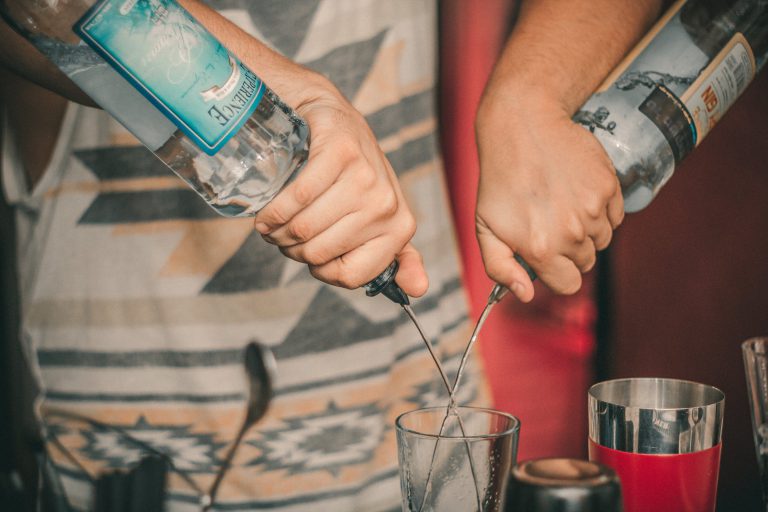
In continuation with last week article we will be looking at more effects and suggestions of alcohol use and abuse. Depression is to be mention; an alcoholic is well acquainted with depression (a bout of severe and prolonged sadness and hopelessness) which if not control can comply a person to drink, instead of acting as a solution will actually increase the state of depression. The pain of such emotions heightened by the chemicals affecting his system often exceeds other form of depression. In addition an alcoholic will typically experience fatal blow to his or her self –esteem. A feeling of worthlessness, he/she will feel that his life is a mess, that he is responsible for it and that his is powerless to turn it around. The feeling of no will power sets in. tragically, such feelings of low self-worth tend only to drive him/her to drink, which if not dealt with will deepens his/her conviction of worthlessness. Personality distortion is another effect of alcohol; an alcoholic becomes nearly unrecognizable to many family and friends. Too much alcohol changes the person from the person they use to be. Things that were once priorities are no longer important. Former values and interests are abandoned. A teen that meticulous care of his/her appearance may often appear frumpy and disheveled as a result of the intake of much alcohol. The involvement with alcohol will definitely affect the teen’s perception of reality and ability to make good decisions. This can be really bad for teenagers that already have less problem- solving and decision making experience. Other effect can be classified as long time and short term effects, they are as follows; under short term we have, distorted vision, hearing, and coordination, altered perceptions and emotions also, impaired judgment –which may lead to accidents, drowning, and other risky behaviour like unsafe sex, and the use of drugs. Bad breath and hangover are not left out. However, the long term effects are as follows; cirrhosis and cancer of the liver, loss of appetite, serious vitamin deficiencies, stomach ailments, increase in the risk of impotence, high risk for over dosing, memory loss and the damage of the heart central nervous system. A young person who is struggling with alcoholism is in acute and urgent need of help. Even if the teenager has not progressed far into alcoholism, even if he/she does not perceive his or her own need of help, the parents/guardian must wisely and diligently seek to bring help and healing. The following suggestions may be of great use to those struggling with alcohol abuse by offering them questions like these; Gently but firmly guide the teenager to recognize and admit the problem. These questions may help Do you sometimes look forward to drinking when you should be doing something else? When you are drinking, do you drink as much as you can as quickly as possible? Do you ever end up drinking more than you or others think you should? (A yes answer to this question indicates a 90 percent likelihood of a drinking problem. Do you ever drink alone not necessarily, physically alone, friends may be present but not involved with the drinker? Do you try to protect your supply of alcohol in order to make sure you’re not short when you need it? When you’re upset or sad, do you ever think, “If I could just have a drink more than you used to while remaining remarkably functional? Do you ever have trouble remembering things you did or said while drinking?. Moving on if the young person answers “yes” to four or more of the above questions, it is likely that he or she has a drinking problem. On the other hand if the teenager refuses to answer honestly or is resistant, offer calm but consistent evidence, sticking as much as possible to a nonthreatening questioning style. Then present specific instances to the teenager rather than general accusations. Be a good role model. Consider how your use of alcohol may influence your child. You may want to consider offering or buying only non- alcoholic beverages at home once you notice that your no of bottles keep decreasing in the fridge like the person who wrote to us was doing. Educate yourself about alcohol so you can be a better teacher to your child. Read and collect information that you can share with your child and others even when they have not started tasting alcohol.Try to be conscious of how you can help build your child’s self –esteem. For instance children are more likely to feel good about themselves if you emphasize on their strengths. Teach your child different approaches to tackle how to deal with offers of alcohol. Teach your child to ask questions. Once an unknown substance is offered, he/she should ask “what is it”, where did you get it? Remind your child to always leave a place once he or she feels uncomfortable, then must always go out with transport fare, with credit on his/her phone to call parent/guardian or a responsible adult if need be. Encourage them to say “no thanks” if he/she is offered alcoholic drink. Teach them never to accept a ride from someone who has been drinking. As parents/guardian we should not be judgemental once we notice that a child is going through this challenge but rather we should offer help, some might need medical attention as the case might be. Under no circumstances should you let an alcoholic try to overcome his or her alcoholism without considerable and professional help.
Thanks for all your txt messages and emails we really appreciate you.